Health and Safety Policy for Landscaping Barnet
 Landscaping Barnet services require a clear commitment to health and safety at every stage of work. This policy sets out the standards, responsibilities, and procedures that help protect employees, contractors, clients, visitors, and the public. It applies to all outdoor work activities, including garden preparation, turfing, planting, pruning, hedge cutting, paving support, soil movement, and use of machinery and tools. The aim is to reduce risk, prevent injury, and maintain a safe working environment through careful planning and consistent control measures.
Our approach is based on the principle that prevention is better than cure. Before any job begins, hazards are assessed and appropriate precautions are put in place. This includes checking the work area for uneven ground, hidden debris, overhead hazards, contaminated materials, unstable structures, and exposure to moving vehicles or the public. All employees involved in landscaping in Barnet are expected to follow safe systems of work and to take personal responsibility for their own safety and the safety of others.
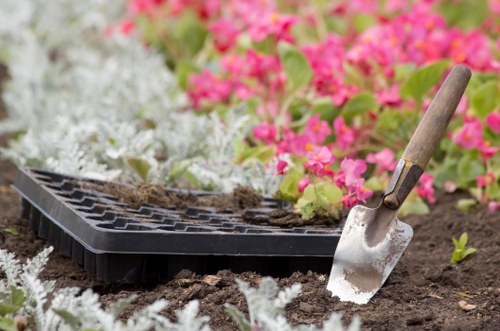 The policy also covers training, supervision, and the correct use of equipment. Everyone must be competent in the tasks they are assigned, and no one should use machinery or chemicals without instruction and authorisation. Good housekeeping is essential: tools should be stored safely, pathways kept clear, and waste removed promptly to avoid slips, trips, and falls. We expect a professional standard that supports both efficiency and safe working conditions.
Risk assessment is central to safe landscape maintenance. Each project should be reviewed before work starts and updated if conditions change. For example, weather can affect ground stability, visibility, and manual handling risks. Wet surfaces, high winds, extreme heat, and frost can all create unsafe conditions. Work should be paused or adjusted where necessary to maintain control and prevent incidents. Any member of the team may raise safety concerns at any time, and concerns must be taken seriously.
Personal protective equipment must be worn where required. This may include gloves, safety boots, eye protection, hearing protection, high-visibility clothing, and dust masks depending on the task. PPE is the final line of defence and does not replace safe working practices. In addition, manual handling should be planned carefully. Heavy or awkward loads must be lifted using correct techniques, mechanical aids where possible, and team lifts where needed. Landscaping Barnet safety depends on avoiding unnecessary strain and using practical methods.
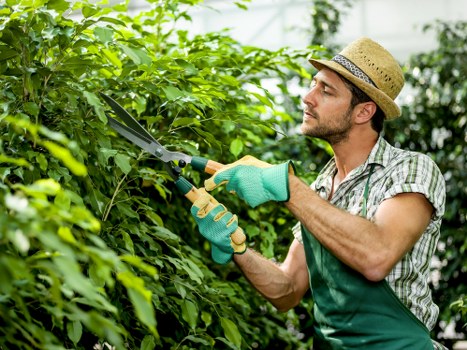 Machinery and power tools present particular risks and must be inspected before use. Blades, cables, fuel systems, guards, and switches should be checked regularly for damage or wear. Defective equipment must be removed from service immediately. Only approved fuel and maintenance products should be used, and all machinery should be operated according to manufacturer instructions. The safe use of mowers, trimmers, cutters, compactors, and other equipment is vital to preventing serious injuries in garden landscaping work.
Environmental and chemical safety are also part of this policy. Where fertilisers, pesticides, herbicides, or cleaning products are used, they must be stored, handled, and disposed of responsibly. Labels and instructions must be followed at all times, and spillages must be contained quickly. Where possible, safer alternatives should be chosen to reduce exposure. Care should be taken to protect soil, watercourses, wildlife, and neighbouring properties from contamination or disturbance during landscaping services.
Fire safety and first aid arrangements must be understood by all workers. Fuel, batteries, and flammable materials should be kept away from ignition sources and stored securely. Vehicles and site equipment must not block emergency access. A stocked first aid kit should be available, and at least one trained first aider should be present where practicable. In the event of an accident or near miss, work should stop if necessary, first aid should be provided, and the incident must be recorded and reviewed so lessons can be learned.
Communication is essential for safe working. Briefings should be given before starting tasks, especially where the work site changes during the day or involves multiple trades. Clear instructions help prevent misunderstandings and ensure that everyone knows the boundaries of the work area, the safe routes for movement, and the correct order of operations. This is particularly important in landscaping projects where lifting, cutting, digging, and moving materials may happen at the same time.
Supervisors and managers have a duty to ensure that this policy is implemented, monitored, and improved where needed. They must provide suitable resources, enforce safe practices, and lead by example. Workers must cooperate with safety requirements, report defects or hazards promptly, and never take shortcuts that could put people at risk. A culture of shared responsibility helps maintain high standards across all forms of Landscaping Barnet activity.
Contractors and temporary workers are expected to meet the same standards as permanent staff. Induction should be completed before work begins, and any task-specific risks must be explained clearly. Where specialist work is involved, additional controls may be required, including exclusion zones, supervision, or permits for certain activities. The policy should be reviewed regularly to remain effective, practical, and aligned with current working methods and safety expectations.
 By following this policy, we aim to deliver reliable landscaping work while protecting health, property, and the surrounding environment. Safety is not treated as an optional extra; it is part of quality service delivery. Every task, from routine garden care to more complex outdoor construction support, should be approached with planning, care, and respect for risk.
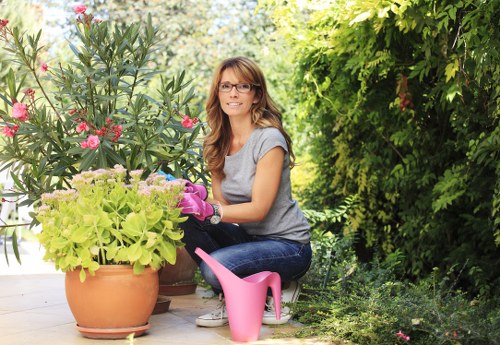 In summary, this health and safety policy reinforces our commitment to safe, responsible, and professional landscaping in Barnet. Through effective risk assessment, training, PPE, equipment checks, and strong supervision, hazards can be managed successfully. Everyone involved has a role to play in maintaining safe working conditions and ensuring that each project is completed without avoidable harm.